
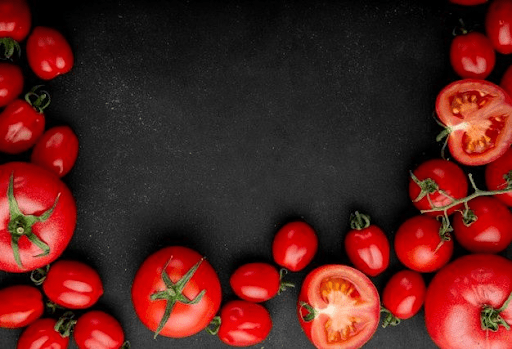
| Key Summary Tomatoes, though not native to Italy, have become a defining ingredient in Italian cuisine. Their journey from the Americas to Europe shaped regional cooking styles, influenced culinary traditions, and gave rise to beloved dishes such as pasta al pomodoro, pizza, and sauces. |
For anyone who has ever savored a bowl of pasta or indulged in a slice of pizza, one thing stands out: the undeniable presence of tomatoes. But why exactly do they dominate Italian cuisine? Many people assume tomatoes have always been part of Italy’s culinary identity, yet history tells a very different story.
The problem is that while tomatoes are now inseparable from Italian cooking, they are not native to Italy at all, they were introduced from the Americas in the 16th century. This sparks curiosity: how did they go from being mistrusted “poison apples” to becoming the soul of Italian kitchens?
In this blog, we’ll explore the fascinating history, cultural adoption, regional differences, and nutritional role of tomatoes in Italy’s cuisine. By the end, you’ll see that tomatoes are more than just an ingredient, they are a story of transformation, adaptation, and national pride.
1.The Arrival of Tomatoes in Italy
Tomatoes arrived in Europe during the Columbian Exchange of the 16th century, after being brought from the Americas. Initially, Italians did not welcome them with open arms. Instead, tomatoes were considered ornamental plants, often grown in gardens for their bright red fruit but not consumed due to fears of toxicity. According to historians, tomatoes were linked with the deadly nightshade plant family, making early Europeans hesitant to eat them (National Geographic).
By the late 17th century, however, experimentation in the kitchen began, particularly in southern Italy where climate conditions were ideal for tomato cultivation. Farmers in regions like Campania and Sicily discovered that tomatoes thrived in volcanic soil and Mediterranean weather, laying the foundation for their widespread use. This shift also paralleled broader trends in Italian food evolution, as explored in Italian food history.
2.From Suspicion to Adoption: How Italians Embraced Tomatoes
The transformation of tomatoes from “poisonous” to beloved was gradual. Recipes from the 18th century show the earliest Italian tomato sauces, often paired with bread or pasta. The Neapolitan cookbook “Lo scalco alla moderna” (1692) was among the first to reference cooking with tomatoes.
As culinary practices spread, tomatoes began appearing in dishes across southern Italy, symbolizing freshness, affordability, and versatility. By the 19th century, tomatoes became deeply integrated into Italian identity. Their adoption coincided with the rise of pasta culture, making tomato-based sauces a natural fit. This cultural evolution also reflects broader questions like is pizza Italian food, since pizza’s modern form would not exist without tomato sauce.
3.Tomatoes and Regional Italian Cuisine
Italian cuisine is deeply regional, and the role of tomatoes varies accordingly. In southern Italy Naples, Sicily, Calabria, tomatoes dominate nearly every dish. Rich sauces, baked pastas, and seafood recipes rely heavily on tomato-based flavors. By contrast, northern regions such as Lombardy and Piedmont rely more on butter, cream, and cheese, with less emphasis on tomatoes.
This division highlights the broader contrast explored in Northern vs Southern Italian food. Tomatoes became symbols of southern identity, associated with warmth, vibrancy, and resilience. Northern regions integrated them later and in less quantity, often using them in stews or risottos rather than as central sauces.
4.Why Tomatoes Work So Well in Italian Cooking
Tomatoes complement Italian cooking for multiple reasons. Their natural acidity balances fats from olive oil, meats, and cheeses. Their sweetness intensifies when cooked, creating depth in sauces. Additionally, tomatoes act as a neutral base that enhances herbs like basil, oregano, and garlic cornerstones of Italian seasoning.
Another key factor is preservation. Sun-drying, canning, and turning tomatoes into passata or pelati allowed Italians to enjoy the fruit year-round, sustaining culinary traditions even in winter. This practicality solidified tomatoes as a cornerstone of Italian food culture.
5.Cultural Symbolism of Tomatoes in Italy
Beyond flavor, tomatoes carry symbolic weight. Their red color mirrors the Italian flag, representing passion and unity. They are also tied to the Mediterranean lifestyle, emphasizing freshness, simplicity, and shared meals. Tomatoes became a culinary ambassador, shaping how Italian cuisine is perceived globally.
When Italian immigrants brought recipes abroad, tomato-based dishes like spaghetti and pizza became cultural icons. This international spread contributed to the global reputation of Italian food, much like the celebrated Top 10 Italian Dishes You Must Try at Little Sicily.
6.Nutritional Benefits of Tomatoes in Italian Diets
From a health perspective, tomatoes are nutritional powerhouses. They contain lycopene, a powerful antioxidant linked to reduced risks of heart disease and certain cancers (Harvard Health). They are also rich in vitamin C, potassium, and folate.
For Italians, incorporating tomatoes into daily meals enhances the Mediterranean diet, often praised for its heart-healthy properties. Whether fresh in salads or slow-cooked in sauces, tomatoes offer both flavor and wellness. This makes them a unique example of food being both culturally symbolic and nutritionally beneficial.
7.Comparing Northern vs. Southern Tomato Usage
| Region | Common Tomato Use | Signature Dishes | Flavor Profile |
| Northern Italy | Limited; used in stews, risottos, light sauces | Risotto al pomodoro, polenta with tomato stew | Creamy, buttery with subtle tomato notes |
| Southern Italy | Extensive; base of most dishes | Pasta al pomodoro, pizza Napoletana, caponata | Bold, tangy, herb-infused flavors |
This comparison emphasizes how tomatoes not only shaped Italian cooking but also reinforced regional identities. Readers exploring vegetable side dishes for Italian food will notice how tomatoes remain a versatile player across both north and south.
8.Tomatoes in Iconic Italian Dishe
Some of Italy’s most recognized dishes are inseparable from tomatoes:
- Pasta al Pomodoro:
A simple yet iconic dish showcasing tomatoes’ natural sweetness.
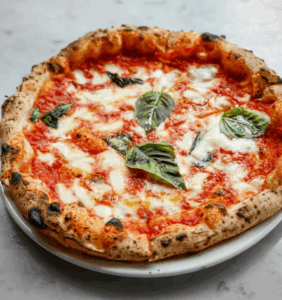
- Pizza Margherita:
Tomatoes, mozzarella, and basil reflect the Italian flag and national pride.
- Caponata:
A Sicilian eggplant dish where tomato creates a sweet-sour balance.
- Lasagna al Forno:
Tomato sauces layered with pasta and béchamel for rich depth.
Frequently Asked Question
Q1. Were tomatoes originally Italian?
No, tomatoes originated in the Americas and were introduced to Italy in the 16th century.
Q2. Why did Italians start using tomatoes widely?
Because tomatoes grew well in southern Italy and complemented local flavors, they became a natural fit for pasta, bread, and seafood dishes.
Q3. Do all Italian regions use tomatoes equally?
No, southern regions use tomatoes extensively, while northern regions traditionally rely more on dairy and butter.
Q4. What are some non-tomato Italian dishes?
Risottos, polenta, and many seafood recipes in the north often minimize or skip tomatoes altogether.
Q5. What’s the most famous tomato-based Italian dish?
Pizza Margherita and pasta al pomodoro are the most globally recognized.
Final Thoughts
Tomatoes are more than a kitchen staple, they’re the very heart of Italian culinary identity. Their arrival reshaped cooking traditions, bridged regional divides, and gave the world dishes that are now symbols of comfort and joy. Next time you enjoy a tomato-rich dish, remember it carries centuries of history, cultural pride, and nutritional value. And if you’re searching for authentic flavors, exploring Italian food restaurants near me is the best way to taste how tomatoes continue to shape Italian cuisine today
Reference
- National Geographic – How the Tomato Conquered Italy https://www.nationalgeographic.com/history/article/tomato-history-salem-new-jersey
- Harvard Health Publishing – Lycopene and Health Benefits https://www.health.harvard.edu/blog/lycopene-rich-tomatoes-linked-to-lower-stroke-risk-201210105400
- Smithsonian Magazine – The History of Tomatoes in Italian Cuisine https://www.smithsonianmag.com/history/how-the-misrepresentation-of-tomatoes-as-stinking-poison-apples-that-provoked-vomiting-made-people-afraid-of-them-for-more-than-200-years-863735/
- BBC – Italian Food and Its History https://www.bbc.com/travel/article/20250227-is-there-no-such-thing-as-italian-cuisine