| Key Summary: Pizza is often seen as a symbol of Italian cuisine, but its origins trace back to ancient flatbreads. It gained its modern form in Naples, evolving into a global favorite. Regional traditions and cultural influences shaped it into the iconic dish we know today. |
Pizza today wears many hats. It’s fast food, gourmet, artisanal, and frozen. That diversity creates confusion about whether it still belongs to Italy or has been Americanized beyond recognition. Many food lovers and even some culinary professionals associate pizza more with global pop culture than with authentic Italian cuisine. This creates a disconnect with Italy’s culinary legacy.
Let’s set the record straight with facts, history, expert opinions, and comparisons that help uncover whether pizza is truly Italian and how it fits into the broader landscape of Italian food history.
A Historical Overview of Italian Cuisine
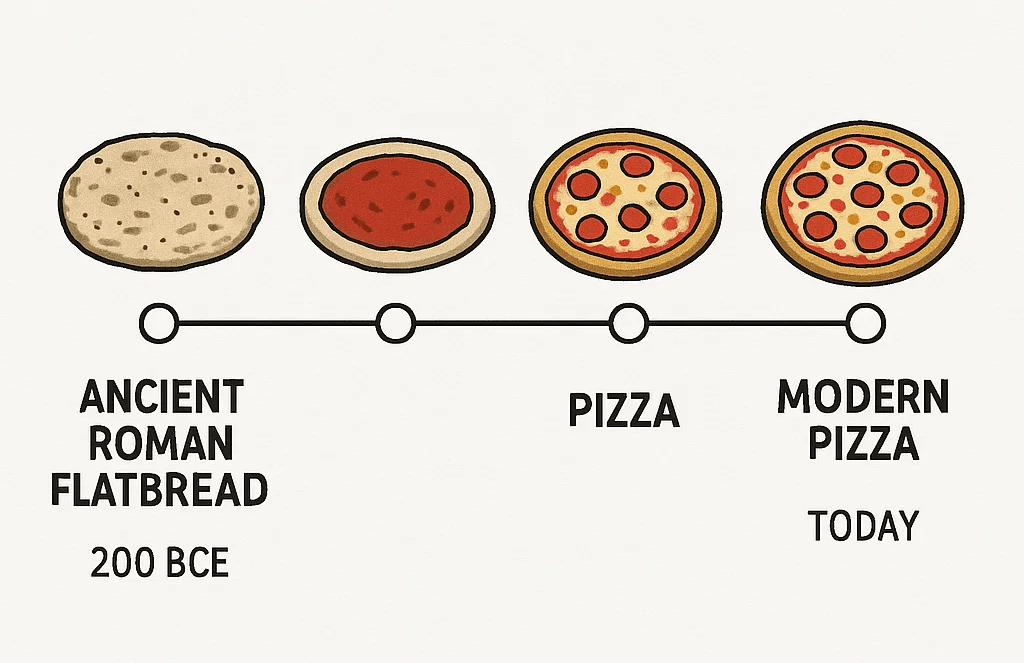
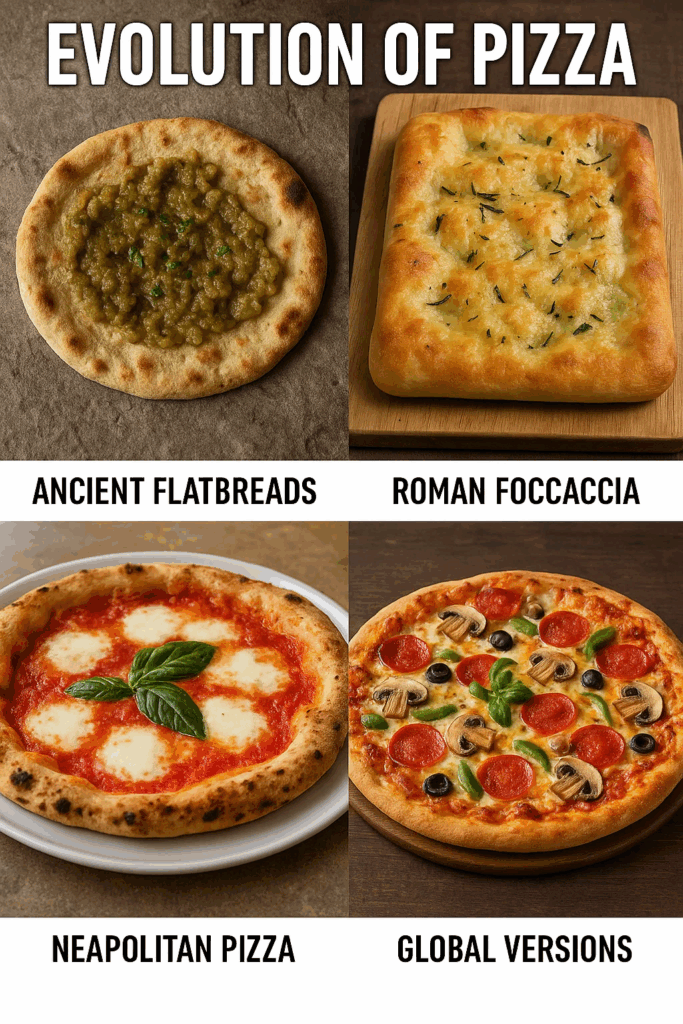
To understand pizza’s identity, we need to first look at how Italian cuisine evolved. Italy, as a unified nation, is relatively young (established in 1861), but its food traditions date back thousands of years. Ancient Roman diets included flatbreads topped with herbs and olive oil, which laid the foundation for what would later become pizza.
Italian food has always been rooted in regional diversity:
- In the North: creamy sauces, risottos, and butter-based dishes dominate.
- In the South, tomatoes, olive oil, and baked breads like focaccia and pizza are staples.
According to a Smithsonian article, flatbreads with toppings have existed for centuries, but modern pizza emerged in Naples in the 18th century. That cements Italy, specifically Southern Italy, as the true origin.
The Origins of Pizza: Italy or Beyond?
Modern pizza, which consists of baked dough, tomato, mozzarella, and herbs, is unquestionably Neapolitan, even though different civilizations have their variations of “flatbread with toppings” (such as the Greek plakous).
This is how it transpired:
- Pizza became a popular dish among the working class in Naples in the 18th century. Street vendors offered it as a quick and inexpensive option for a meal.
- In 1889, Queen Margherita of Savoy was honored with the creation of the Margherita pizza. The Italian flag was symbolized by its three colors: green (basil), white (mozzarella), and red (tomato).
Therefore, even though the concept of pizza may be ancient, authentic pizza in its modern form is unquestionably Italian.
This is closely related to our guide on Northern vs. Southern Italian cuisine, which describes how many Italian classics, including pizza and eggplant parmigiana, originated in the South.
Pizza and Its Place in Traditional Italian Food
Local, seasonal, and fresh ingredients are emphasized in traditional Italian cooking, and pizza is no different, at least in Italy. Real pizza from Italy is:
- cooked in ovens that burn wood.
- made with dough that has been hand-kneaded.
- Buffalo mozzarella and San Marzano tomatoes on top
As an “intangible cultural heritage” of Italy, pizza Napoletana (Neapolitan pizza) is even protected by UNESCO. This supports its authenticity and preparation techniques legally. Pizza has changed all over the world, but at its core, it is still Italian.
Pizza in Northern vs Southern Italian Cuisine
Pizza originated in Naples and is a staple of Southern Italy. On the other hand.
- Polenta, risottos, and meat-based dishes are more popular in Northern Italy.
- Pizza does exist in the North, but it’s frequently altered with seasonal toppings or local cheeses.
Therefore, Southern Italy is the best place to start your search for real pizza. This is also consistent with our findings in Little Sicily’s Top 10 Italian Dishes You Must Try, where Neapolitan pizza is ranked highly.
Types of Italian Pizzas: A Regional Breakdown
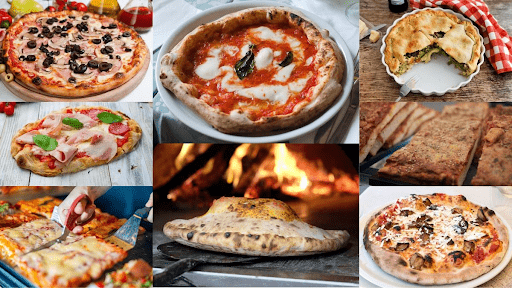
Italy isn’t a monolith when it comes to pizza. Here are a few beloved regional styles:
Pizza al Taglio: Rectangular and sold by weight, common in bakeries.
Pizza Napoletana (Naples): Soft, chewy crust, thin center, cooked in 90 seconds at 900°F.
Pizza Romana (Rome): Thin, crispy, less doughy.
Pizza Siciliana (Sicily): Thick crust, square slices, robust tomato sauce, sometimes anchovies.
Modern Global Pizza vs. Authentic Italian Pizza
The pizza you might order in New York, London, or Sydney may taste completely different from what you would in Naples. A centuries-old tradition of simplicity, freshness, and respect for ingredients is the foundation of authentic Italian pizza. On the other hand, despite being influenced by Italian immigrants, contemporary international pizza styles have changed to accommodate regional tastes, frequently leading to an entirely new culinary identity.
- Cheese: One of the clearest distinctions is in the choice of cheese. Fresh mozzarella, which is frequently made from buffalo milk, is the main attraction in Italy, especially in traditional pizzerias. Each bite is enhanced by its melt-in-your-mouth quality, mild tang, and creamy texture. This contrasts greatly with the shredded processed cheese blends found in many pizzas around the world, which are typically saltier, oilier, and made more for stretch than for real flavor.
- Dough: The dough used to make Italian pizza is regarded as a living ingredient. It goes through a lengthy fermentation process, sometimes lasting up to 48 hours, which makes it lighter and easier to digest while developing a complex depth of flavor. This produces a base that is soft but still slightly chewy and has a noticeable scent. However, a lot of pizza styles around the world use high-gluten flours and commercial yeast that rises quickly to speed up production, especially in fast-food or mass-production settings. The delicate flavors and lightness of a slow-fermented dough are lost, but the crust becomes stronger and better able to support heavier toppings.
- Toppings: The idea behind authentic Italian pizza is “less is more.” The quality and balance of the toppings are carefully considered, so they never overpower the sauce or crust. For instance, all you need for a classic margherita is fresh mozzarella, ripe tomatoes, fresh basil, and a little olive oil. Toppings are typically more decadent and abundant in international variations, especially American-style pizzas; consider pepperoni, various cheese blends, barbecue sauces, and even stuffed crusts. Despite their undeniable deliciousness, these creations satisfy varying standards for flavor, texture, and serving size.
Simply put, Italian pizza emphasizes balance and purity, showcasing each ingredient for what it is, whereas contemporary pizza from around the world frequently tends to be bold and abundant, providing a richer, heavier, and more adventurous dining experience. Although each has its loyal following, they are two different variations of one of the most popular foods in the world. American pizza, for instance, uses high-gluten flours, commercial yeasts, and heavy toppings.
Classic Italian Pizza Types
| Pizza style | Origin | Crust Type | Signature Toppings | Cooking Method |
|---|---|---|---|---|
| Pizza Napoletana | Naples | Chewy, airy | Tomato, Mozzarella, Basil | Wood-fired oven |
| Pizza Romana | Rome | Thin, crispy | Olive oil, Anchovies | Electric oven |
| Pizza Siciliana | Sicily | Thick, fluffy | Tomato, Onions, Anchovies | Baked in sheet pans |
| Pizza al Taglio | Rome | Rectangular | Varies by vendor | Sold by weight |
Frequently Asked Question
1. Is pizza originally from Italy?
Yes. While flatbreads existed elsewhere, modern pizza was invented in Naples, Italy.
2. Why is Neapolitan pizza considered the original?
It uses traditional Italian ingredients and techniques. It also has UNESCO heritage status.
3. Is American pizza Italian?
It’s Italian-inspired but not traditionally Italian. It evolved through Italian immigrants in the U.S.
4. Does every Italian region make pizza?
Pizza is most iconic in the South, but it’s made differently across Italy.
5. Is pizza considered healthy in Italy?
When eaten in moderation and made traditionally, yes, it can be part of a balanced meal.
Final Thoughts
Pizza is more than just Italian cuisine; it is a representation of Italian culinary artistry that transcends borders, cultures, and cuisines. Its soul is still rooted in Naples, even though its forms change from continent to continent. Pizza is more than just a meal; it’s a piece of history served hot. Keep that in mind the next time you’re craving a slice.
The timeless classic, real wood-fired Italian pizza, is a great place to start your search for the best Italian food near me
Reference
- Smithsonian Magazine https://www.smithsonianmag.com/arts-culture/the-art-of-pizza-160033169/
- UNESCO – Art of Neapolitan Pizzaiuolo https://ich.unesco.org/en/RL/art-of-neapolitan-pizzaiuolo-00722
- History.com – How Pizza Became an American Staple https://www.history.com/articles/a-slice-of-history-pizza-through-the-ages